Understanding Computer Recycling Bracknell
What is Computer Recycling?
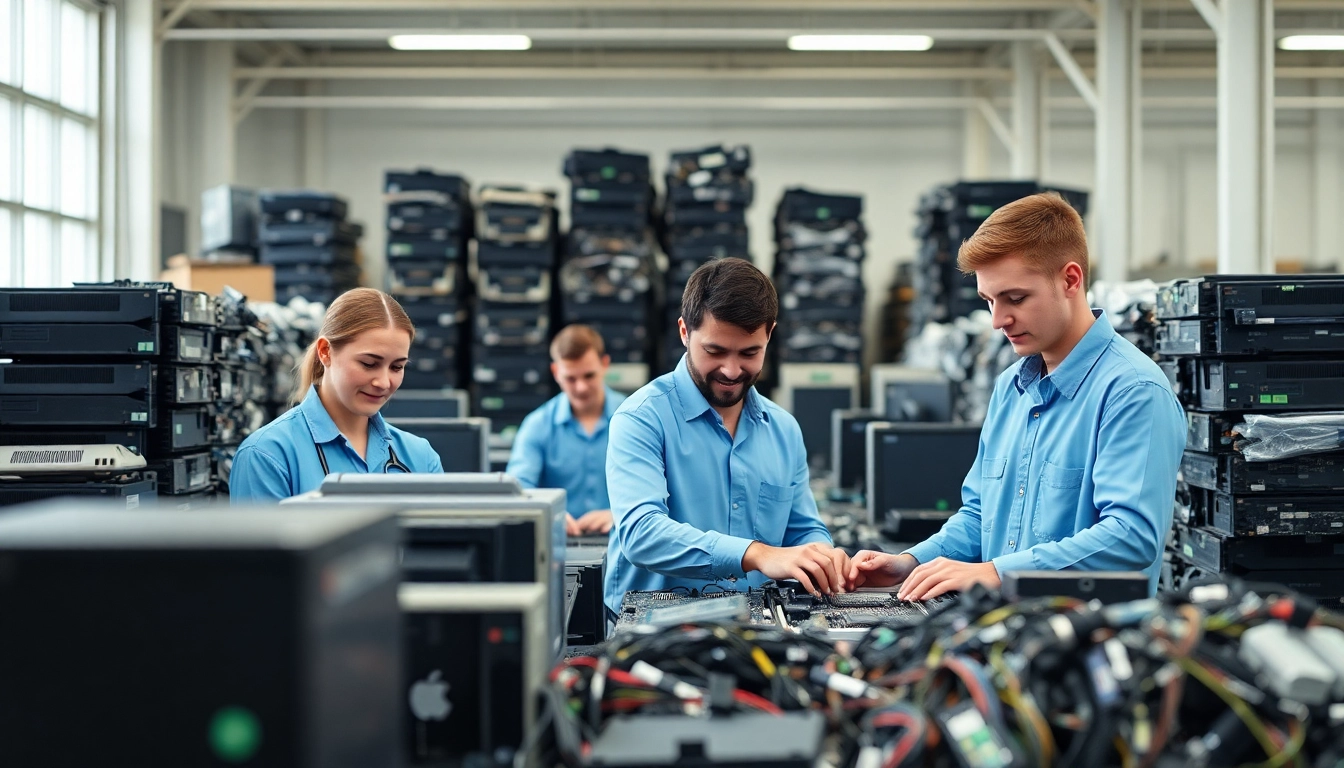
Computer recycling refers to the processing of old computer equipment to recover valuable materials, reduce environmental impact, and promote sustainability. This involves disassembling the devices, separating the components, and recycling or repurposing materials such as metals, plastics, and glass. Proper computer recycling helps divert electronic waste from landfills, where they can cause soil and water pollution due to hazardous materials like lead and mercury.
Importance of E-Waste Management
E-waste management is critical due to the rapid technological obsolescence and increased production of electronic devices. Improper disposal of e-waste can lead to significant environmental harm. In Bracknell, effective e-waste management not only conserves natural resources but also safeguards public health and the environment. Moreover, as technology evolves, the demand for rare earth metals rises, making responsible recycling an economic necessity.
Benefits of Computer Recycling
Recycling computers offers numerous benefits:
- Resource Conservation: Recovery of valuable materials mitigates the need for new resource extraction.
- Pollution Reduction: Decreases harmful emissions from landfills and lowers the carbon footprint associated with manufacturing new devices.
- Data Security: Secure recycling procedures prevent data breaches by ensuring proper data destruction.
- Support for the Circular Economy: Facilitates reuse, refurbishment, and re-engineering of electronic equipment.
Steps for Proper Disposal in Bracknell
Identifying Recyclable Equipment
To participate effectively in computer recycling, it's essential to recognize which devices are recyclable. Common items include:
- Desktops and Laptops
- Monitors and Screens
- Printers and Scanners
- Keyboards and Mice
- Networking Equipment and Cables
Items such as household batteries, non-computer electronics, and peripherals may require different recycling processes. Always check local regulations for specifics.
Local Collection Points
Bracknell residents can dispose of their old computer equipment at designated recycling centers. Many local service departments, as well as nonprofit organizations, have collection points where e-waste can be dropped off. Some businesses may also offer collection services for larger electronic waste. More information is available through local government websites or by visiting computer recycling Bracknell.
Preparation Guidelines
Before recycling, ensure that all personal data is removed from devices. This can involve:
- Performing factory resets on laptops and desktops.
- Physically destroying hard drives if sensitive information is stored.
- Removing all unnecessary accessories, such as cables and peripherals.
- Packaging items safely for transport to recycling centers to avoid damage.
Environmental Impact of Recycling
Reducing Landfill Waste
By recycling computers and electronics, we significantly reduce the volume of waste sent to landfills. Electronic devices contribute to a growing problem of e-waste, and one of the primary goals of recycling is to minimize this waste through responsible disposal practices.
Conserving Resources
Recycling recovers valuable materials like gold, silver, copper, and aluminum. The extraction and processing of these materials consume energy and resources. By reusing these through recycling, we conserve natural resources and minimize the environmental damage associated with mining and manufacturing new components.
Mitigating Pollution
When electronic waste ends up in landfills, hazardous substances can leach into the soil and waterways, potentially affecting local ecosystems and human health. Recycling helps to prevent this by safely processing hazardous materials and ensuring they do not harm the environment.
Innovative Computer Recycling Solutions
Advanced Recycling Technologies
The recycling industry is continuously evolving with advanced technologies that enhance the efficiency and effectiveness of computer recycling. Innovations such as automated dismantling systems and new sorting techniques improve the recovery rates of materials while minimizing contamination and waste.
Donation and Refurbishment Options
Before recycling, consider whether your old computer equipment can be donated or refurbished. Many organizations accept functioning equipment to give a second life to devices, especially for educational or charitable purposes. Refurbished electronics can provide essential technology access to underprivileged communities.
Engaging Community Initiatives
Community organizations in Bracknell often run e-waste drives and awareness campaigns to educate residents about recycling. Participating in these initiatives not only facilitates safe disposal but also fosters community involvement and environmental stewardship.
FAQs on Computer Recycling Bracknell
What types of electronics can be recycled?
Most electronics are recyclable, including computers, laptops, monitors, printers, and small appliances. Check local guidelines for specific restrictions.
Where can I find recycling drop-off locations?
You can find drop-off locations by visiting local government websites or checking with community organizations that facilitate e-waste recycling in Bracknell.
Is data destruction included in recycling services?
Many recycling providers offer data destruction services as part of their recycling process. Be sure to inquire about this when selecting a service.
Are there fees associated with recycling?
While many local collection points offer free recycling, some specialized services might charge fees, especially for large or difficult-to-dispose-of items.
How can businesses support recycling efforts?
Businesses can engage in recycling by creating e-waste disposal programs, educating employees about proper disposal methods, and partnering with local recycling initiatives to promote sustainable practices.