
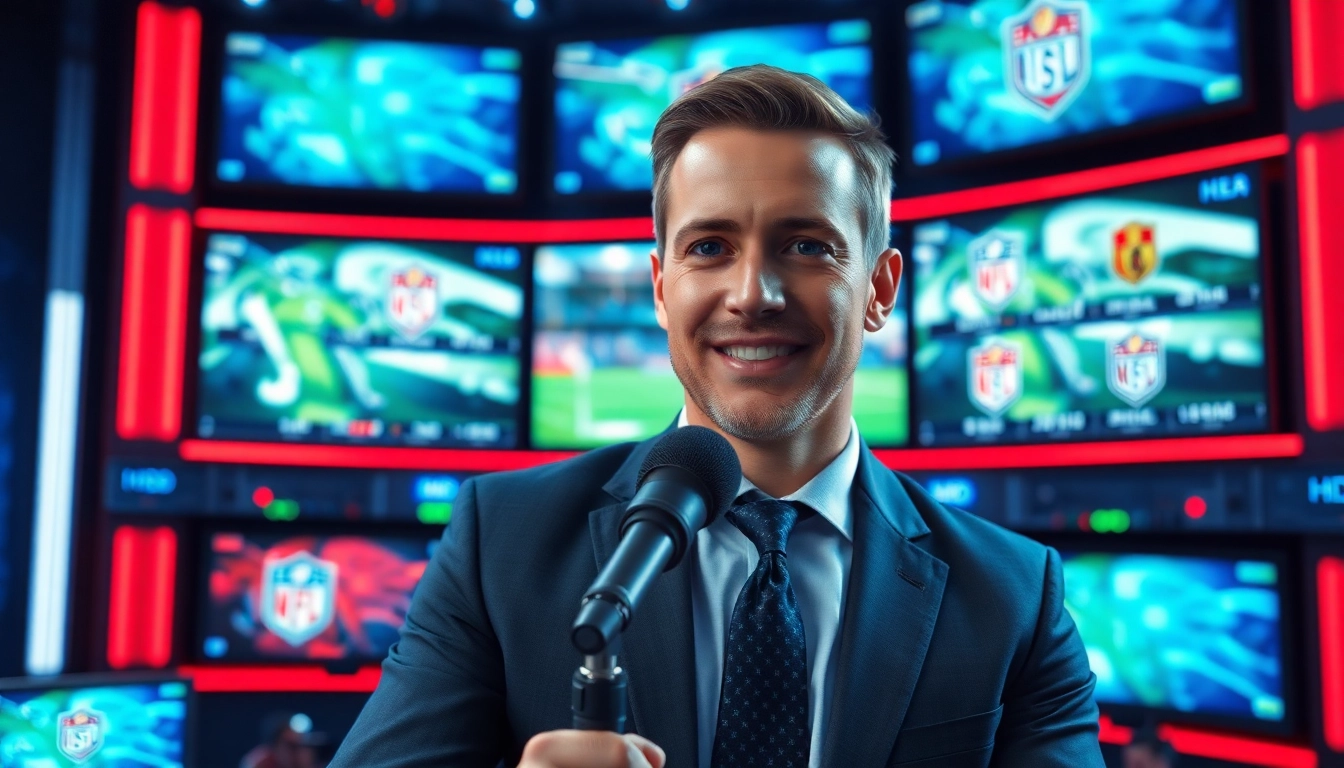
1. Understanding Sports Broadcasting
What is Sports Broadcasting?
Sports broadcasting is a specialized field that encompasses the live coverage, recording, and distribution of sporting events through various media channels. This can include television, radio, streaming platforms, and social media. The goal of sports broadcasting is not only to relay the game but also to engage viewers, listeners, and fans with commentary, analysis, and other narrative elements that enhance the experience of watching or following sports. Sports Broadcasting serves as a bridge connecting teams, athletes, and fans worldwide.
History and Evolution of Sports Broadcasting
The roots of sports broadcasting can be traced back to the early 20th century when radio became widely accepted. The first-ever live sports broadcast occurred in 1921 when a baseball game was transmitted. By the 1930s, Sports Talk radio programs started to make their way into American households. The arrival of television in the 1950s revolutionized this industry, leading to major sporting events being televised and receiving widespread viewership. The increase of cable and satellite television in the 1980s brought new opportunities, enabling various sports networks to emerge, each focusing on specific sports or leagues. With the advent of the internet and mobile technology in the late 1990s and early 2000s, live streaming transformed the landscape once again, allowing fans instant access to content on numerous platforms.
Importance of Sports Broadcasting in Media
Sports broadcasting plays a vital role in the media ecosystem. It not only serves as an entertainment source for millions but also drives revenue for teams and leagues through advertising and sponsorship deals. Furthermore, sports broadcasts foster community spirit by enabling localized content that can connect fans to their favorite teams or athletes, thus influencing public opinions and behaviors. Brands leverage sports broadcasting to reach their target demographics during high-stake events, making it an invaluable tool for marketing strategies. With the continuous development of broadcasting technology, the way audiences engage with sports content is rapidly changing, offering new opportunities for both viewers and broadcasters alike.
2. Key Technologies in Sports Broadcasting
Broadcasting Equipment and Tools
The backbone of sports broadcasting lies in the advanced equipment used to capture, produce, and disseminate content. Essential tools include high-definition cameras, audio recording devices, and broadcasting software. Multi-camera setups allow for varied perspectives on the field, while tools like instant replay systems and graphics integration software enable broadcasters to enhance the viewing experience effectively. Remote broadcasting vans, equipped with sophisticated technologies, allow coverage from any location, ensuring the seamless transition of live events. Moreover, innovations like drone cameras enable unique aerial coverage, providing audiences with breathtaking visuals during critical moments of a match.
Live Streaming Technologies
As audiences increasingly consume content digitally, live streaming has emerged as a crucial facet of sports broadcasting. Platforms utilizing IP-based video technology facilitate real-time interaction with fans, making it possible to broadcast on-demand and in diverse formats. Technologies such as adaptive bitrate streaming ensure users receive the best experience depending on their connectivity. Additionally, integrating features like social media sharing and live commentary interactions enhance viewer engagement, fostering a sense of community among fans. Companies are also utilizing cloud-based broadcasting solutions, streamlining the production process while reducing infrastructure costs.
Impact of Virtual and Augmented Reality
Virtual and augmented reality (VR and AR) are transforming the experiences offered in sports broadcasting. VR allows viewers to immerse themselves in the action, simulating an in-game experience from the comfort of their homes. This technology enables broadcasts to present sporting events in more engaging ways, with virtual stadium tours or interactive replays. AR, on the other hand, is reshaping how statistics, player information, and live analytics are integrated into broadcasts, offering real-time insights that enhance understanding and enjoyment for fans. These technologies not only bolster viewer engagement but also present potential new revenue streams through immersive sponsorships and advertising.
3. The Role of Social Media in Sports Broadcasting
Engaging Audiences Through Social Platforms
Social media has become an indispensable component of sports broadcasting, facilitating direct interaction between fans, athletes, and broadcast networks. Platforms like Twitter, Facebook, and Instagram are invaluable tools for showcasing highlights, behind-the-scenes footage, and real-time updates. This immediate access to content engages and retains viewership, with many networks now adopting a multi-platform approach to reach diverse audience segments. Furthermore, unique interactive elements such as polls, fan questions, and live Q&As build community connection and loyalty, enhancing the entire sports viewing experience.
Challenges in Social Media Broadcasting
While social media offers rich opportunities for engagement, it is not without challenges. Competition for viewer attention is fierce, with numerous channels vying for engagement. Keeping content fresh and relevant is essential to maintain audience interest. Additionally, the risk of misinformation spreading rapidly through social platforms creates challenges in safeguarding brand reputations and fan trust. Strategies for curating credible content, along with rapid response protocols for breaking news or controversies, are essential for effective sports broadcasting in the digital age.
Opportunities for Growth with Influencer Collaborations
Collaborating with sports influencers and content creators has opened new avenues for sports broadcasting networks. These partnerships leverage the existing fan bases of influencers, allowing broadcasters to tap into new audiences. Influencers are effective storytellers who engage fans through personal connections and authentic content, making it easier for networks to broaden their reach. Strategic influencer partnerships can lead to unique content, promotional campaigns, and viewer-led events, driving engagement and fostering brand loyalty among diverse demographics.
4. Legal and Regulatory Considerations
Licensing and Broadcasting Rights
The acquisition of broadcasting rights is a critical aspect of the sports broadcasting landscape. Broadcasters must negotiate licensing agreements with sports leagues and organizations to air events legally. The complexities of broadcasting rights vary internationally, with exclusivity contracts often shaping who can broadcast which events. Understanding these regulations is key to navigating the competitive broadcasting environment, as unauthorized coverage can lead to legal penalties and financial consequences. Collaboration with legal experts is advisable to ensure compliance and successful negotiation strategies.
Content Regulation and Compliance
Content regulation remains a significant concern within sports broadcasting. Governing bodies in various countries impose restrictions on broadcasting certain content, such as inflammatory remarks or hate speech, to maintain a respectful and inclusive environment. Compliance with local laws, content classification standards, and advertising regulations is essential. Educating all stakeholders involved—broadcasters, advertisers, and platforms—about these regulations ensures that sports programming is accessible and adherent to legal frameworks, fostering viewer trust and community respect.
Impact of Copyright Issues on Sports Broadcasting
Copyright issues pose considerable challenges for sports broadcasters. Intellectual property theft can diminish the quality of original programming and lead to conflicts over ownership rights of content shared across platforms. Broadcasters must understand fair use provisions and licensing implications to protect their assets while avoiding infringement. Strong legal frameworks, robust content encryption, and clear policies on user-generated content can mitigate copyright risks significantly. Furthermore, promoting respect for intellectual property within the community can secure fair treatment for all stakeholders involved.
5. The Future Landscape of Sports Broadcasting
Emerging Trends and Innovations
The future of sports broadcasting is brimming with emerging trends and innovations. Artificial intelligence is making strides in data analysis, enabling broadcasters to provide insights and predictions in real time. The rise of blockchain technology may also influence broadcasting, particularly in content distribution and monetization strategies. Furthermore, mobile applications designed to enhance fan experiences, such as real-time polling and exclusive content, are gaining popularity, capitalizing on the interactive nature of modern consumers.
Consumer Expectations and Experiences
Consumers' expectations are also evolving, as the digital landscape and personal preferences shape their viewing experiences. Fans today desire a more personalized and interactive viewing experience that transcends mere content consumption. Customization options, tailored commentary, and multi-angle viewing have become essential features of modern broadcasting. Additionally, the continuation of user-friendly interfaces that promote accessibility, including closed captioning and language options, ensures that all fans enjoy a uniformly engaging experience, irrespective of their backgrounds or situations.
Potential Challenges Facing Sports Broadcasting
As the sports broadcasting industry evolves, challenges will inevitably arise. Increasing competition from alternative platforms, including streaming services and social media, raises the stakes for traditional broadcasters. Adapting to changing viewer habits, such as on-demand consumption and multitasking, requires innovative strategies that keep pace with audience expectations. Furthermore, managing the financial implications of technology adoption and shifting revenues from traditional ticket sales to media rights will necessitate thorough strategic planning and adaptability. The sports broadcasting arena will need to navigate these challenges carefully to sustain growth and maintain viewer loyalty in a rapidly changing landscape.
Frequently Asked Questions
What is the primary goal of sports broadcasting?
The primary goal of sports broadcasting is to provide live coverage and commentary of sporting events, enhancing the viewer's experience through information, analysis, and entertainment.
How has technology impacted sports broadcasting?
Technology has transformed sports broadcasting through live streaming, high-definition visuals, and interactive elements, greatly improving access and viewer engagement.
What role do social media play in sports broadcasting?
Social media engage fans through real-time updates, highlights, and interactive discussions, allowing for a two-way conversation between audiences and broadcasters.
What are the legal challenges in sports broadcasting?
Sports broadcasters face legal challenges relating to licensing, content regulation, and copyright issues, necessitating adherence to various laws and regulations.
What trends are shaping the future of sports broadcasting?
Emerging trends include AI data analysis, blockchain technology, increased interactivity, and personalized content, all enhancing the viewer experience in the evolving landscape.