Overview of the Mount Everest Base Camp Trek
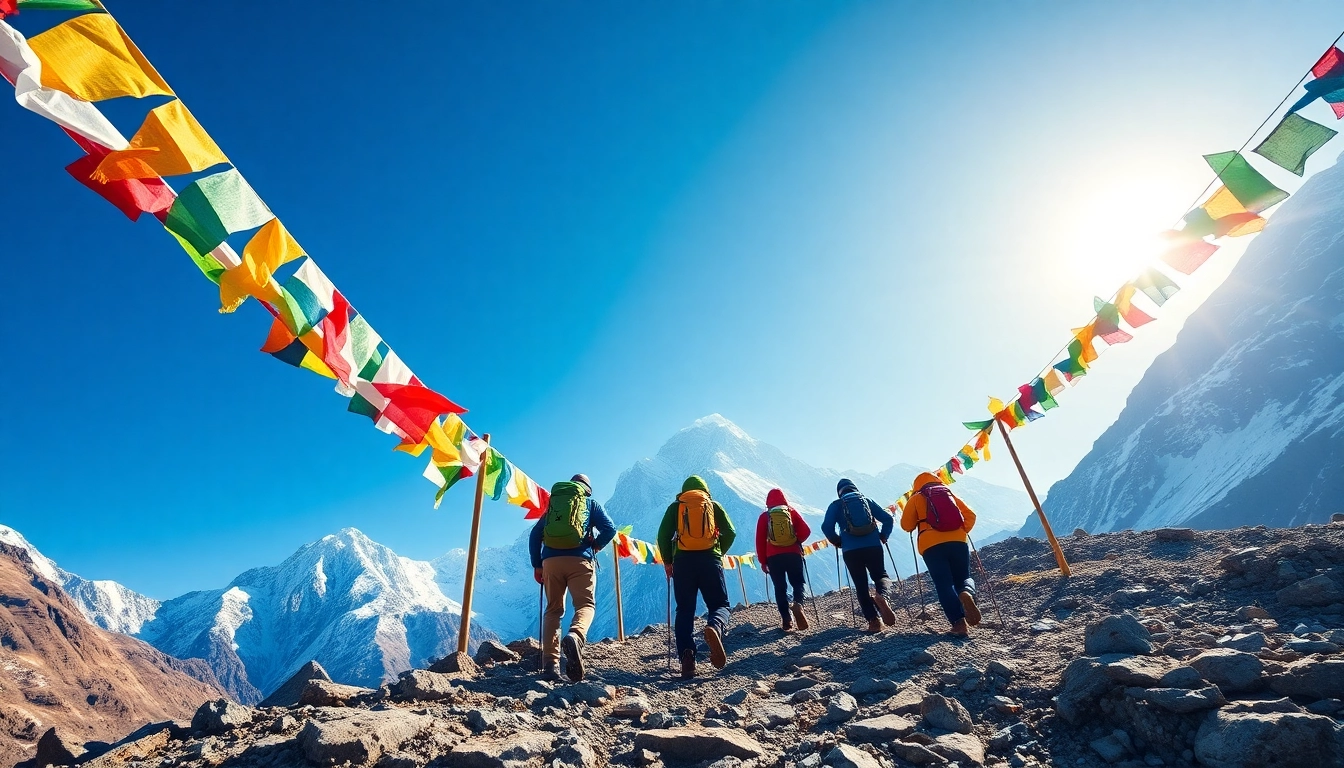
Embarking on the mount Everest base camp trek is a journey unlike any other, offering adventurers a unique blend of natural beauty, cultural immersion, and personal challenge. Spanning 14 days, this trek takes you through the Khumbu region of Nepal, leading to the base camp of the world's highest peak, Mount Everest. As you traverse this stunning landscape, you'll encounter majestic mountains, lush forests, and vibrant Sherpa villages, all steeped in rich tradition. The trek is not just a physical challenge but an opportunity to forge unforgettable memories against one of the most breathtaking backdrops on Earth.
What is the Mount Everest Base Camp Trek?
The Mount Everest Base Camp Trek is a popular trekking route in Nepal that attracts thousands of trekkers each year. It starts from Lukla and passes through numerous villages, each offering a glimpse into the unique Sherpa culture and lifestyle. Trekkers ascend through the Sagarmatha National Park, a UNESCO World Heritage site, before reaching the base camp at 5,364 meters (17,598 feet). The trek encompasses an array of experiences, from acclimatization days to cultural encounters, ensuring that participants not only reach their destination but also appreciate the journey along the way.
Importance of the Trek in 2025
As the popularity of trekking continues to rise, 2025 promises to be an exceptional year for the Everest Base Camp Trek. With advancements in eco-tourism and sustainable practices, trekkers can expect enhanced facilities that prioritize environmental conservation and local community support. The trek will not only serve as a personal challenge but also as an opportunity to contribute positively to the local economy and nature conservation efforts in the Everest region. Moreover, with growing awareness about responsible travel, trekkers are increasingly drawn to experiences that blend adventure with cultural respect and ecological responsibility.
Key Highlights of the Journey
- Stunning views of iconic peaks, including Mount Everest, Lhotse, and Ama Dablam.
- Cultural interactions with the Sherpa community, including visits to ancient monasteries.
- Acclimatization hikes that enhance your trekking experience while promoting health.
- Exploration of unique flora and fauna within Sagarmatha National Park.
- An opportunity to witness the breathtaking sunrise from Kala Patthar, one of the highest viewpoints.
Planning Your Expedition: Itinerary and Preparation
Detailed Itinerary for the 14-Day Trek
The Everest Base Camp Trek spans 14 days, allowing for ample time to acclimatize and absorb the stunning environment. Here’s a brief overview of the daily itinerary:
- Day 1: Arrival in Kathmandu
- Day 2: Flight to Lukla, trek to Phakding
- Day 3: Trek to Namche Bazaar
- Day 4: Acclimatization day in Namche, hike to Hotel Everest View
- Day 5: Trek to Tengboche
- Day 6: Trek to Dingboche
- Day 7: Acclimatization day, hike to Nangkartsang Peak
- Day 8: Trek to Lobuche
- Day 9: Trek to Everest Base Camp, return to Gorak Shep
- Day 10: Sunrise hike to Kala Patthar, descend to Pheriche
- Day 11: Trek back to Namche Bazaar
- Day 12: Trek to Lukla
- Day 13: Flight back to Kathmandu
- Day 14: Departure from Kathmandu
Essential Packing List for Trekkers
Proper preparation and packing are vital for a successful Everest Base Camp Trek. Here’s a comprehensive list of items to bring:
- Clothing: Layered clothing, waterproof jacket, trekking pants, thermal underwear.
- Footwear: Sturdy trekking boots, camp shoes, and warm socks.
- Gear: Trekking poles, daypack, sleeping bag rated for cold weather.
- Essentials: Sunscreen, sunglasses, first aid kit, water purification tablets.
- Documents: Passport, trekking permits, travel insurance.
Important Considerations Before Trekking
Before embarking on your trek, consider the following:
- Ensure you have appropriate travel insurance covering high-altitude trekking.
- Consult with a healthcare provider about altitude sickness prevention.
- Plan for extra days in case of delays, particularly due to weather conditions.
- Familiarize yourself with the cultural norms of the Sherpa community.
Understanding the Challenges of the Trek
Dealing with Altitude Sickness
Altitude sickness is a significant concern on the Everest Base Camp Trek, as elevations exceed 5,000 meters. Symptoms may include headaches, nausea, and fatigue. To mitigate risks, it's crucial to ascend gradually and take acclimatization days seriously. Ensure proper hydration and seek assistance from guides if symptoms arise.
Physical Fitness Requirements
A good level of physical fitness is essential for completing the trek. Regular cardiovascular activities, strength training, and long hikes should be part of your training regimen at least two months before departure. Building endurance will help you manage the long daily trekking hours required during the journey.
Common Obstacles on the Trail
While the trek is well-marked, trekkers may face challenges such as unpredictable weather, difficult terrain, and potential flight cancellations to and from Lukla due to weather conditions. Being mentally prepared for these hurdles will enhance your trekking experience.
Cultural Insights and Local Experiences
Interacting with the Sherpa Community
The Sherpa people are renowned for their hospitality and profound connection to the mountains. Engaging with the locals, learning about their traditions, and participating in cultural exchanges make the trek more enriching. Don’t miss the chance to explore local monasteries and attend traditional ceremonies.
Exploring Local Traditions and Festivals
The Everest region hosts several festivals throughout the year that provide insight into Sherpa culture. Experiencing these festivals can deepen your understanding of the local way of life, showcasing vibrant music, dance, and culinary delights that are distinctive to this region.
Gastronomy: Food Options During the Trek
During the trek, you’ll have the opportunity to savor traditional Nepali dishes, such as Daal Bhat (lentils and rice), which is both filling and nutritious. Most teahouses provide vegetarian options, and it’s advisable to embrace the local cuisine for an authentic experience.
Post-Trek Recommendations and Future Adventures
Reflecting on Your Everest Base Camp Journey
Completing the Everest Base Camp trek is a monumental accomplishment. Take time to reflect on your journey, consider the challenges overcome, and the breathtaking sights experienced. Share your stories and photographs with fellow trekkers and loved ones to inspire others to embark on similar adventures.
Suggested Extensions: Other Treks in Nepal
For those looking to continue their Himalayan adventure, Nepal offers various trekking routes like the Annapurna Circuit or the Langtang Valley trek, each providing unique experiences and stunning views. Customizable itineraries are available for trekkers wishing to extend their adventures.
Preparing for Future High-Altitude Adventures
The skills and lessons learned from the Everest Base Camp trek can serve as a foundation for future high-altitude adventures. Whether aiming for summits like Mera Peak or undertaking treks in different regions, your experience will prepare you for even more incredible journeys ahead.