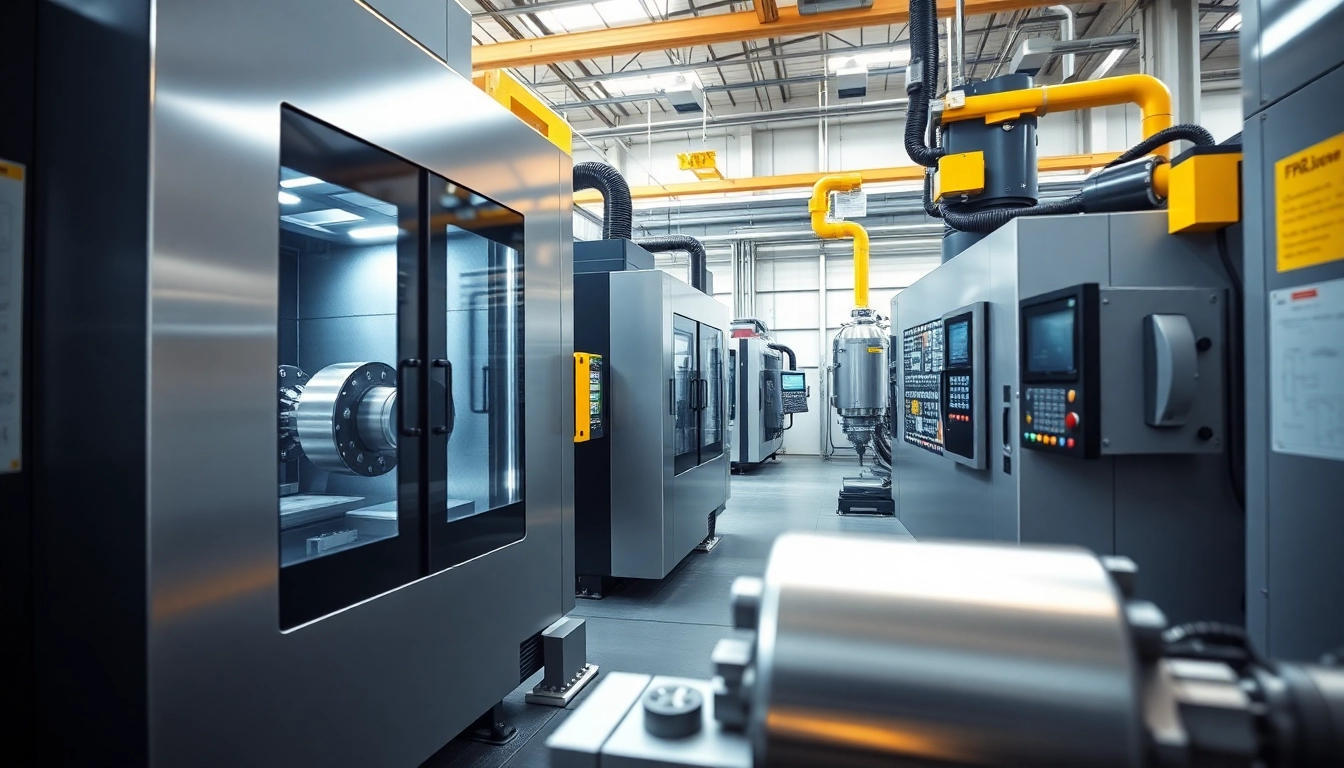
Understanding Precision Machining in Malaysia
Precision machining is a critical component of modern manufacturing, particularly in Malaysia, where industrial sectors are continually evolving. This process involves the creation of parts and components with remarkable accuracy and smooth finishes, utilizing sophisticated machinery and tailored engineering techniques. As the industry grows, understanding the nuances of precision machining malaysia becomes essential for both manufacturers and consumers alike, enabling them to stay competitive in a global market.
What is Precision Machining?
Precision machining refers to a set of manufacturing processes where parts are produced to very tight tolerances and specifications. This includes processes such as turning, milling, grinding, and electrical discharge machining (EDM), all of which are essential in creating components that meet specific requirements for various applications. The primary goal is to achieve a high degree of accuracy while maintaining repeatability across production runs.
The Importance of Precision Machining in Modern Manufacturing
In the context of modern manufacturing, precision machining plays a vital role in enhancing productivity and efficiency. It allows businesses to produce complex geometries that would be challenging or impossible with traditional machining methods, thereby fostering innovation. Industries such as aerospace, automotive, medical, and electronics heavily rely on precision machining to ensure that their components meet the demanding quality standards and operational requirements.
Key Industries Using Precision Machining in Malaysia
Several industries in Malaysia benefit significantly from precision machining, including:
- Aerospace: Precision components are crucial for the safety and functionality of aircraft.
- Automotive: High-quality machined parts result in better performance and reliability of vehicles.
- Electronics: The miniaturization of components requires advanced machining techniques to achieve the required precision.
- Medical Devices: Precision machining ensures that intricate medical devices function correctly and safely.
Latest Technologies in Precision Machining
CNC Machines: The Heart of Precision Machining
Computer Numerical Control (CNC) machines are at the forefront of precision machining technology. These machines automate the machining process using pre-programmed software, allowing for unparalleled accuracy and repeatability. With options like CNC milling and CNC turning, manufacturers can produce complex parts with intricate features. The integration of advanced CNC technologies significantly enhances production speed and efficiency while reducing the likelihood of human error.
Emerging Technologies and Trends for 2025
As we look towards 2025, several technological trends are set to shape the precision machining landscape in Malaysia:
- Industry 4.0: The shift toward smart manufacturing technologies, including IoT and AI, will revolutionize how precision machining is performed, optimizing processes through data analytics and machine learning.
- Additive Manufacturing: The rise of 3D printing technologies is enabling manufacturers to create complex geometries that were previously unachievable through traditional machining.
- Sustainability Practices: A growing emphasis on sustainable manufacturing processes will push for innovations that minimize waste and energy consumption.
Software Innovations Driving Efficiency in Machining Processes
Along with hardware advancements, software innovations are enhancing precision machining efficiency. Advanced simulation and modeling software allow engineers to visualize machining processes, identify potential issues, and optimize production schedules. Such tools enhance the ability to innovate and maintain quality standards throughout the machining lifecycle.
Quality Control in Precision Machining
Standards and Certifications in Malaysia
The precision machining industry in Malaysia adheres to several quality standards and certifications, which ensure that products meet both local and international requirements. Key certifications include ISO 9001 for quality management systems and ISO/TS 16949 for automotive manufacturing. These standards help in maintaining a systematic approach to quality control, thereby enhancing customer trust and market competitiveness.
Best Practices for Ensuring High-Quality Output
To achieve optimal quality in precision machining, several best practices should be adopted:
- Regular Maintenance: Ensuring that machinery is well-maintained helps prevent errors and defects in production.
- Skilled Workforce: Investing in training for operators and engineers enhances their ability to produce high-quality parts.
- Use of Inspection Tools: Utilizing advanced measurement and inspection tools can identify deviations in part dimensions early in the process.
Common Challenges and Solutions in Quality Management
Despite the rigorous quality management practices, challenges persist in the precision machining industry:
- Tool Wear: Regular monitoring and replacement of cutting tools can mitigate issues related to wear.
- Material Variability: Standardizing raw materials and conducting frequent quality checks can address inconsistencies.
- Process Variation: Employing statistical process control (SPC) techniques can help identify and minimize variations in machining processes.
Cost Factors in Precision Machining
Understanding Pricing Models in the Industry
Pricing in the precision machining industry can vary significantly based on factors such as material type, machining complexity, and volume of production. Companies typically use various pricing models, including:
- Cost-Plus Pricing: Adding a markup to the operational costs to ensure profitability.
- Bid Pricing: Offering a competitive price based on specific project requirements.
- Value-Based Pricing: Setting prices based on the perceived value of the product to the customer.
How to Optimize Costs Without Sacrificing Quality
Cost optimization is crucial in the precision machining industry. Companies can achieve this by:
- Streamlining Processes: Implementing lean manufacturing principles to reduce waste and increase efficiency.
- Investing in Technology: Upgrading to more advanced machinery can reduce operational costs in the long run.
- Supplier Relationships: Establishing strong relationships with suppliers can lead to better pricing and material availability.
Comparative Analysis with Competitors in Precision Machining Malaysia
When analyzing the competitive landscape of precision machining in Malaysia, it’s essential to consider factors such as technology adoption, service offerings, and geographic reach. Companies like Setsu Precision and Microntech Technology exemplify strong players in the market, utilizing advanced CNC machines and robust quality control processes.
Future of Precision Machining in Malaysia
Market Predictions for 2025 and Beyond
The future of precision machining in Malaysia looks promising, with continued growth expected through 2025 and beyond. Factors such as rising demand from the automotive and aerospace sectors and increasing investments in technology are likely to drive this growth. Moreover, the push towards sustainable manufacturing practices is expected to create new opportunities for innovation.
Impact of Global Trends on Local Precision Machining
Global trends such as automation, digitization, and eco-friendly manufacturing practices will significantly impact local precision machining firms. Embracing these trends will not only help Malaysian companies improve their competitive edge but also enable them to meet international standards and customer expectations.
Strategic Approaches for Growth and Sustainability
To thrive in the future landscape of precision machining, Malaysian companies should consider strategic approaches such as:
- Collaborative Innovation: Partnering with tech firms and research institutions to foster innovation.
- Investment in Training: Building a skilled workforce through continuous training and development.
- Focus on Customer Needs: Adapting product offerings to meet specific customer requirements and emerging market trends.