Understanding Hidden Leak Detection
Hidden leaks can devastate a home, leading to costly repairs, structural deterioration, and even health hazards like mold growth. These leaks often go unnoticed until they cause significant damage. Therefore, understanding the intricacies of hidden leak detection is crucial for homeowners eager to protect their investments. Timely detection not only prevents heavy financial burdens but also promotes a safer living environment. In this article, we will explore the definitions, symptoms, and critical technologies involved in hidden leak detection.
What Is Hidden Leak Detection?
Hidden leak detection refers to a range of techniques used to identify water, gas, or other fluid leaks that are concealed within walls, floors, or underground infrastructure. Unlike routine inspections, this sophisticated approach minimizes disruption to your property while accurately pinpointing leak locations. Advanced technologies have evolved in this field, allowing for non-invasive methods to detect leaks without destructive excavation or demolition.
Importance of Timely Detection of Water Leaks
Identifying leaks promptly can save homeowners thousands of dollars. The longer a leak goes undetected, the more damage it can inflict—ranging from warped floors to structural instability. Furthermore, water intrusion can lead to hazardous mold growth, posing health risks to residents. Thus, understanding the importance of early intervention in leak detection is essential for maintaining a healthy home.
Common Signs of Hidden Leaks in Your Home
- Increased Water Bills: A spike in your monthly water bill, without any corresponding increase in usage, can signal an undetected leak.
- Water Stains: Discoloration on walls or ceilings often indicates moisture intrusion.
- Mold Growth: The presence of mold in areas without direct moisture can be a marker of hidden leaks.
- Unexplained Dampness: If certain areas of your home feel damp or have a persistent musty smell, it's an indication of a leak.
Technologies Used in Hidden Leak Detection
Modern leak detection employs a range of technologies to facilitate precise and efficient identification of hidden leaks. As methods have progressed, various tools have emerged to provide comprehensive results while reducing the disruption typically associated with leak detection.
Non-Invasive Methods: How They Work
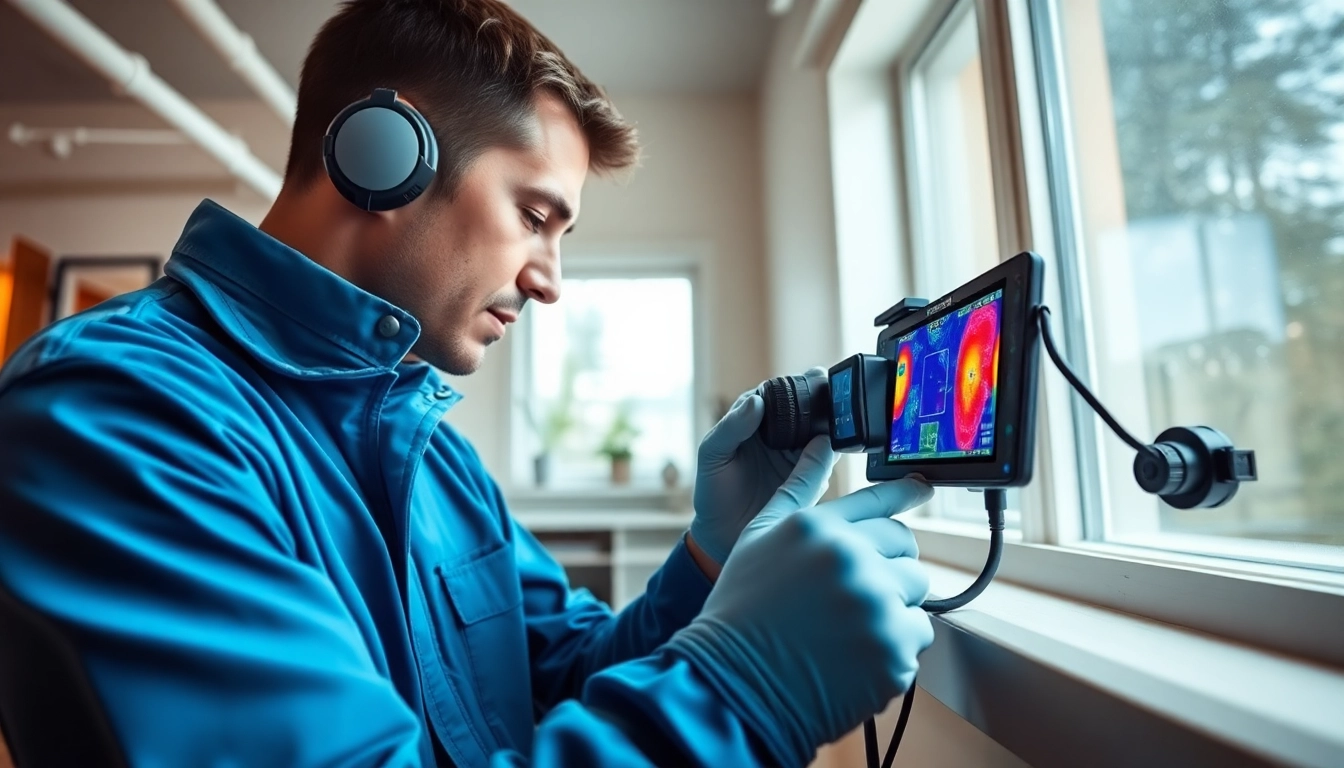
Non-invasive techniques focus on minimizing damage to property while effectively locating leaks. Methods such as acoustic detection and thermal imaging are pivotal. These approaches employ sophisticated sensors and cameras that can identify leaks without the need for intrusive digging or demolition.
Pressure Testing and Its Effectiveness
Pressure testing is a traditional yet effective method for detecting hidden leaks. By monitoring pressure changes within the plumbing system, technicians can isolate sections of piping and identify clues that indicate the presence of a leak. This method is particularly useful in extensive plumbing networks, allowing for quick identification of problem areas.
Using Thermal Imaging for Accurate Diagnosis
Thermal imaging cameras are invaluable tools in the leak detection arsenal. They detect temperature differences caused by moisture escaping from pipes, enabling technicians to visualize leaks that are otherwise hidden. This technology is especially beneficial in identifying leaks in walls or ceilings, where conventional inspection methods may fail.
Steps to Take When You Suspect a Leak
When homeowners suspect a leak, immediate action is critical. The following steps can guide you in addressing potential water intrusion:
Initial Checks: What to Look For
- Inspect water meters regularly to identify unusual usage patterns.
- Look for signs of dampness near plumbing fixtures and drains.
- Verify that there are no visible water stains on walls or ceilings.
When to Call a Professional Leak Detection Service
If you suspect a leak but cannot identify its source, it is crucial to consult professional leak detection services. Experts utilize advanced technology to pinpoint the leak's location accurately, eliminating guesswork and unnecessary repairs.
Cost Implications of Delaying Leak Detection
Delaying leak detection can lead to skyrocketing repair costs. Structural damage, mold remediation, and increased utility bills can all result from prolonged leaks. Homeowners are urged to act swiftly when they suspect a hidden leak to minimize potential financial ramifications.
Preventive Measures for Homeowners
Even with advanced detection technologies, preventive measures are vital in safeguarding properties from hidden leaks. Here are some effective strategies:
Routine Maintenance to Avoid Hidden Leaks
Conducting regular plumbing inspections is essential. Check for corrosion, wear, or any signs of deterioration in pipes, especially in older homes. Early detection can prevent small issues from developing into larger problems.
Monitoring Water Bills for Unusual Spikes
Keeping an eye on your water bills can provide early warnings of leaks. If you notice unusual increases in your bill, investigate further to prevent more significant problems.
Choosing Quality Plumbing Materials
Investing in high-quality plumbing materials can reduce the likelihood of leaks and system failures. Durable materials resist deterioration and corrosion, providing peace of mind that your plumbing system will function well for years.
The Future of Leak Detection in 2025 and Beyond
As technology evolves, the future of leak detection promises even greater accuracy and efficiency. Innovative solutions will reshape how we approach leak detection and prevention.
Emerging Technologies in Leak Detection
From smart sensors that automatically alert homeowners of leaks to advanced algorithms analyzing water usage data, emerging technologies will allow for proactive measures against leaks, reducing damage and repair costs.
Trends in Home Safety and Leak Prevention
As homes increasingly integrate smart technology, the potential for automated leak detection will grow. Home safety systems will incorporate water sensors and alerts, enabling homeowners to take immediate action before damage occurs.
How Smart Home Solutions Will Enhance Leak Detection
Smart home solutions promise to revolutionize leak detection by integrating sensors that provide real-time data to homeowners. By utilizing the Internet of Things (IoT), homeowners can receive immediate notifications about potential leaks, allowing for rapid response and mitigation strategies.