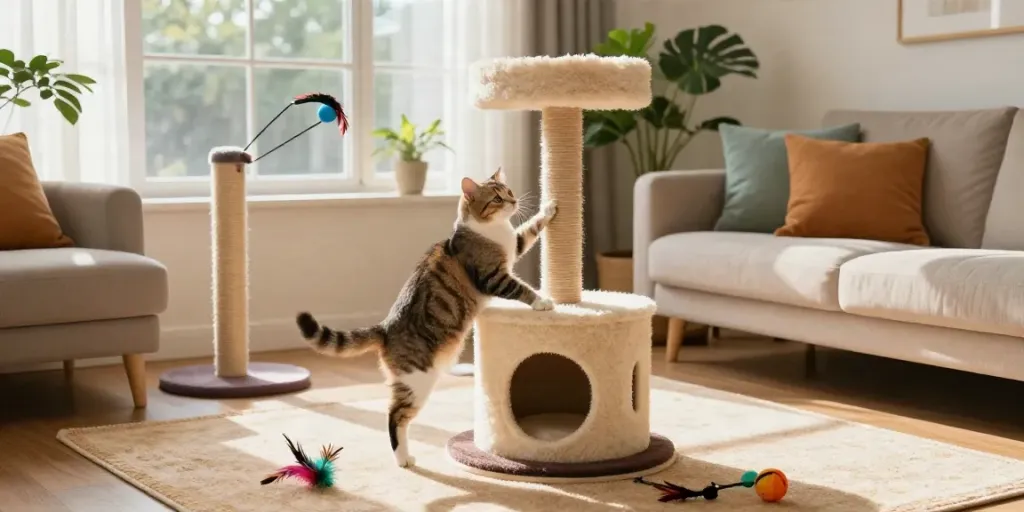
Understanding Cat Tower Benefits
When it comes to providing our feline friends with a comfortable and engaging environment, a cat tower is an indispensable addition to their living space. These structures not only cater to a cat's natural instincts but also contribute significantly to their overall well-being. In this article, we will explore the myriad benefits of cat towers, helping you understand why they are essential for your pet's happiness and health.
Why Cats Need Cat Towers?
Cats are instinctive climbers and explorers, and a cat tower offers them a vertical space to fulfill these natural behaviors. Engaging in climbing and jumping helps cats maintain their physical fitness while also serving as a source of mental stimulation. Without such an outlet, indoor cats may become bored or develop destructive behaviors, such as scratching furniture or knocking things over in search of stimulation. Providing a cat tower helps to satisfy their innate desire to climb and observe their environment from a height.
Health Benefits of Cat Trees
Besides keeping cats entertained, cat towers promote physical health. Climbing helps strengthen their muscles and improve their agility. Additionally, many cat towers come equipped with scratching posts, allowing cats to sharpen their claws and stretch their bodies. This is especially important for indoor cats, which may not have access to natural surfaces for scratching. Scratching also helps to reduce anxiety while providing an outlet for stress relief.
Choosing the Right Size for Your Cat
When selecting a cat tree, size is an important consideration. A cat tower should be tall enough for your cat to stretch fully and should have multiple levels that accommodate playful leaping and climbing. Moreover, different breeds have varying size and weight. For instance, larger breeds like Maine Coons require sturdier constructions that won't tip over, while smaller breeds can manage with lightweight structures. It’s essential to measure the available space in your home and choose a cat tower that fits comfortably without crowding the area.
Key Features to Look For
Stability and Construction Quality
Stability is paramount when choosing a cat tower. Look for models made from high-quality materials that can withstand the weight of your cats without wobbling. Solid wood construction often provides the best durability, while cheaper particle board options may not last as long under heavy use. Furthermore, a wide base helps ensure that the tower remains upright, even during the most exuberant play sessions.
Height and Design Variations
The height of a cat tower can dictate your pet's enjoyment and usage. Taller cat trees offer more climbing opportunities, which can be particularly appealing to adventurous cats. However, consider the age and mobility of your cat; older cats may prefer shorter designs that are easier to navigate. Additionally, various designs—such as multi-level structures or those with integrated amenities like hammocks and perches—can enhance your cat's experience and comfort.
Material Considerations for Safety
When selecting a cat tower, the materials used in construction are critical to your pet’s safety. Opt for cat towers made from non-toxic materials that are free from harmful chemicals. The covering fabrics should be durable yet gentle on your cat's paws. Moreover, sisal rope is a popular choice for scratching posts due to its resilience and the enjoyable texture it offers for cats.
Common Mistakes When Buying a Cat Tower
Ignoring Your Cat’s Preferences
Every cat has individual preferences; ignoring these can lead to a cat tower that remains unused. Take note of how your cat likes to play, where they prefer lounging, and whether they enjoy climbing. Providing a variety of features that match your cat's behavior will significantly increase their likelihood of using the tower. Pay attention to your pet's play patterns and try to replicate those features in their new tower.
Underestimating the Importance of Space
Space is often underestimated in the purchase process of a cat tower. While a multi-level tower might be appealing, it is crucial to ensure that it fits well within your living area. Cats require ample space around their towers for safe climbing and jumping. Ensure that the structure does not obstruct walkways or other furniture, which could lead to accidents.
Neglecting Maintenance and Cleanability
The ease of maintenance is an often-overlooked aspect when choosing a cat tower. Select a model that is easy to clean, particularly if you have multiple cats. Removable covers and easy-to-wipe surfaces can save you time and effort in maintaining hygiene. Additionally, some cat towers come with replaceable scratching posts or pads, extending the product's lifespan and keeping your cat engaged.
Popular Cat Tower Designs in 2026
Trendy Modern Cat Towers
In recent years, the trend in cat tower designs has shifted towards modern, stylish options that blend seamlessly with home decor. These contemporary cat towers often feature sleek lines and aesthetically pleasing shapes, allowing them to function as both a piece of art and a functional cat playground. As tastes evolve, cat owners are increasingly looking for towers that do not compromise on style.
Environmentally Friendly Options
With growing awareness about sustainability, eco-friendly cat towers have gained popularity. Made from natural materials such as bamboo and recycled wood, these options not only provide safe structures for your cats but also contribute to environmental preservation. Choosing sustainable products helps reduce carbon footprints and promotes responsible consumerism.
Multi-Level Structures for Active Cats
Multi-level cat towers remain a favorite among cat owners, especially for households with energetic cats. These towers encourage active play and exploration, minimizing boredom while providing ample opportunities for exercise. Features like tunnels, ramps, and platforms can enhance the interactive experience, making them ideal for multiple cats who enjoy playtime together.
Frequently Asked Questions About Cat Towers
How Do I Choose the Right Height for My Cat Tower?
Choosing the right height involves considering your cat's age and activity level. For younger, more agile cats, taller towers are ideal, while older cats may prefer shorter structures. Always ensure that your cat can safely navigate the height without injuring themselves.
What Materials Are Best for Cat Towers?
The best materials for cat towers include solid wood for stability and non-toxic fabrics like fleece or cotton for comfort. Sisal rope is excellent for scratching posts, as it is durable and provides a satisfying texture for cats.
How Much Should I Spend on a Quality Cat Tower?
Prices for cat towers can vary widely based on materials, design, and brand. Investing in a quality product typically ranges from $100 to $300. Spending a bit more upfront can result in a more durable, safer, and more enjoyable experience for your cat.
Are Cat Towers Necessary for Indoor Cats?
While not strictly necessary, cat towers are highly beneficial for indoor cats. They provide essential physical and mental stimulation, encouraging exercise and offering a private space for relaxation. Without these structures, indoor cats may develop behavioral issues stemming from boredom.
How Can I Encourage My Cat to Use the New Tower?
Introducing a new cat tower effectively can involve placing it in a familiar area and using treats or toys to entice your cat. Additionally, you can sprinkle catnip on the tower to spark interest. Patience is key, as some cats may take longer to adjust to new furniture than others.